









How to choose your photopaper
Two photo technologies
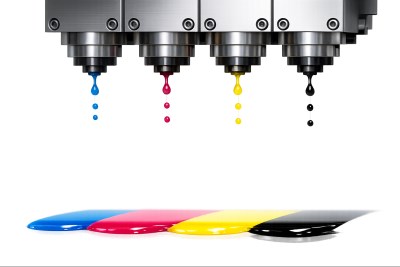
The market is dominated by two printer technologies, which are used for the production (printing) of photographs in both the hobby and professional sector:
- inkjet photo printers
- thermosublimation (dye-sub, D2T2) photo printers
For each technology, there is unique (irreplaceable) photo paper. Thermosublimation printers are primarily used for kiosk and event photo printing and every thermosublimation printer has a determined type of photo paper made for the printer model. There are three dominant players on the world’s market - producers of thermosublimation photo printers: DNP, HiTi and Citizen. DNP is the only producer of photo media for all thermosublimation photo printers.
At home and in professional minilab, inkjet technology predominates and the range of paper for inkjet photo printers is very wide.
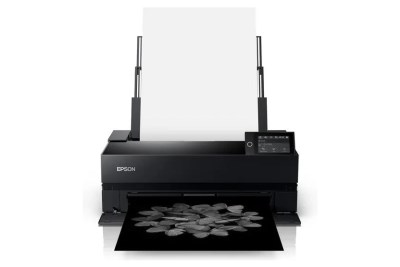
This photo paper selection guide covers materials for inkjet photo printers specifically. Let’s name three well-known producers of inkjet photo printers: Canon, EPSON, HP. It should be added that none of these companies is a producer of photo paper. That is why the photographer has so many options – there is a huge amount of photo papers for inkjet printers on the market.
The purpose of this text is to select the most suitable photo paper for a particular inkjet printer and photo genre.
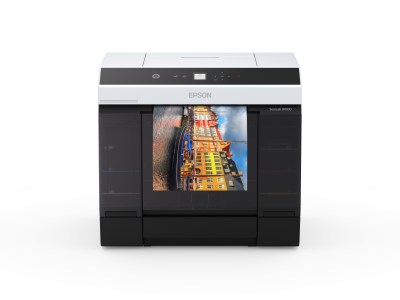
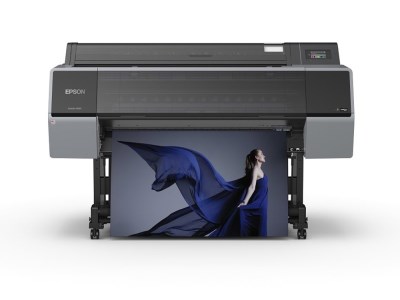
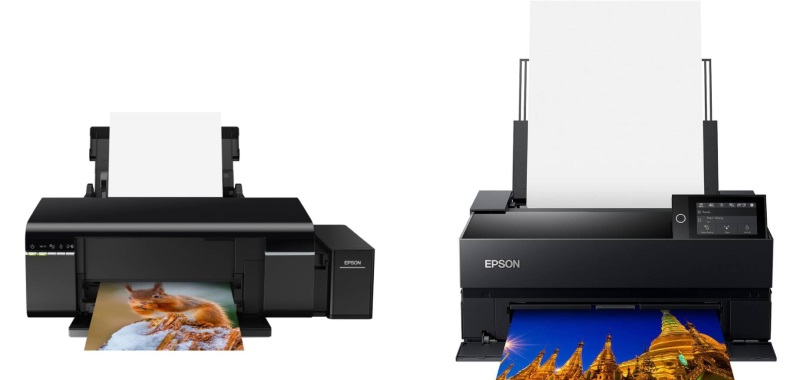
Favorite A4 and A3+ inkjet photo printers
| A4 Photo printers (type of ink, number of inks) | A3+ Photo printers (type of ink, number of inks) |
|---|---|
| Canon PIXMA iP7250 (D, 5) | Canon PIXMA iX6850 (D, 5) |
| Canon PIXMA MG5750 / MG 6850 (D, 5) | Canon PIXMA iP8750 (D, 6) |
| Canon PIXMA MG7750 (D, 6) | Canon PIXMA PRO-100S (D, 8) |
| Canon PIXMA TS5050 / 6050 / 6350 (D, 5) | Canon PIXMA PRO-10S (P, 10) |
| Canon PIXMA TS8050 / 5950 / 8350 (D, 6) | Canon PIXMA PRO-200 (D, 8) |
| Canon PIXMA G1410 / 2410 / 3410 (D, 4) | Canon iPF PRO-300 (P, 10) |
| Canon PIXMA G540 / 640 (D, 6) | Canon PIXMA PRO-1 (P, 12) |
D ... dye-based, P... pigment
ICC profiles and guides: www.fomei.com/profiles
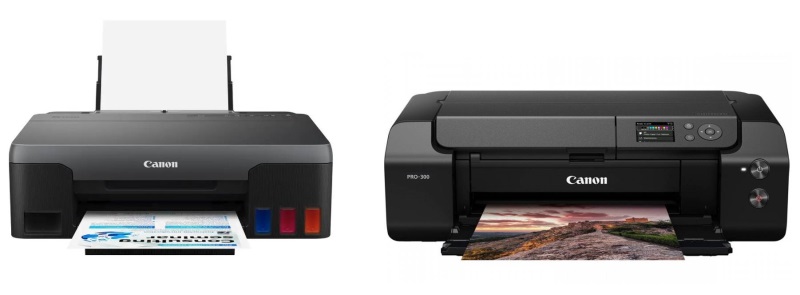
Favorite A4 and A3+ inkjet photo printers
| A4 Photo printers (type of ink, number of inks) | A3+ Photo printers (type of ink, number of inks) |
|---|---|
| EPSON l7160 (D, 5) | EPSON L7180 (A3), (D, 5) |
| EPSON L805 (D, 6) | EPSON L1800 (D, 6) |
| EPSON L810 / L850 (D, 6) | EPSON Expression Photo HD XP-15000 (D, 6) |
| EPSON Expression Premium XP-530 / 630 (D, 5) | EPSON SureColor P600 (P, 9) / P700 (P, 10) |
| EPSON L8160 (D, 6) | EPSON L8180 (D, 6) |
D ... dye-based, P... pigment
Photopapers for inkjet printers
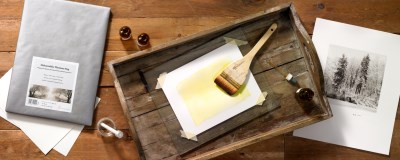
One of the charms of modern inkjet papers is the fact that proven bases know for decades, are used even today, but instead of the light-sensitive layer, a so-called ink-receiving layer is applied to the surface of the base.
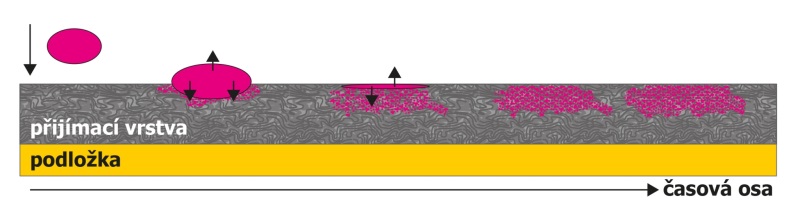
This layer (emulsion) is not present on common papers, and therefore the printing of photos on them is blurred and desaturated (faded colors).
An emulsion with a basis weight below 20 g/m2 is applied to the base papers, the papers of the highest quality class carry a double emulsion, attacking the limit of 40 g/m2.
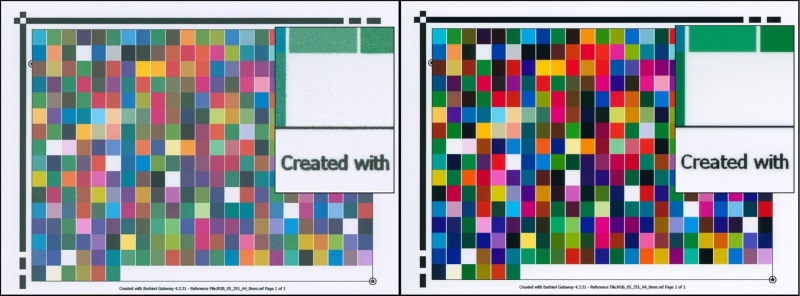
Photo papers for inkjet printers - formats
Most of home inkjet printers are made for A4 format (21 x 29.7 cm), which is the maximal printable format. The A4 is extensively used.
Sheets in classic formats such as 10 x 15 (10.2 x 15.2 cm) and 13 x 18 (12.7 x 17.8 cm) are also enjoying quite the popularity.
In the hobby and professional sectors, photo printers in A3+ format (32.9 x 48.3 cm) are becoming more and more widespread. A3+ sheets are in great demand, especially for their „exhibition“ size.
For inkjet minilabs and large format photo printers, photo papers in rolls of 8.9 to 152.4 cm wide are available.
| format designation | 9 x 13 | 10 x 15 | 13 x 18 | 15 x 21 | 15 x 23 |
|---|---|---|---|---|---|
| dimension [cm] | 8.9 x 12.7 | 10.2 x 15.2 | 12.7 x 17.8 | 14.9 x 21.0 | 15.2 x 22.9 |
| format designation | A4 | A3 | A3+ | A2 | A2+ |
|---|---|---|---|---|---|
| dimension [cm] | 21.0 x 29.7 | 29.7 x 42.0 | 32.9 x 48.3 | 42.0 x 59.4 | 43.2 x 63.5 |
In English-speaking countries, paper sizes are traditionally given in inches, where 1 ″ (inch) = 2.54 cm. On the packaging of 10 x 15 cm or 13 x 18 cm photo papers, we often find the designation 4 x 6 ″ or 5 x 7 ″.
Photo papers for inkjet printers – paper weight
Numbers at the end of photo paper names generally indicate the weight in units of g/m2. For illustration: 1 m2 (sheet 1 x 1 m) paper XYZ 265 weighs 0.265 kg and then a sheet A4 weighs 16.5 g, it is 1/16*0.265 g (1 m2 consists of sixteen sheets of A4).
Quality photo paper weighs 200 to 350 g/m2. On paper of lower weight, the for receiving ink (emulsion) must be depleted, it is not so good. Carefully read the specification of your printers find out what maximum paperweight is recommended. The limitation is often given by the paper feeder system and the upper limit is usually 270 to 300 g/m2.
Many photo printers have an extra feeder for solid (so-called FineArt) media, where it is not problematic to load almost any photo material, typically up to 800 g/m2.
Photo papers for inkjet printers – types of pads
There are five basic types of bases:
barium-sulphate (baryta papers)- so-called baryta papers, probably best known „photo“ papers
- aquarelles, art papers
- resin-coated, both sides coated with polyethylene, still primarily known as „minilab“ paper
- once world widely known CibaChromeTM process, unusual quality and permanent
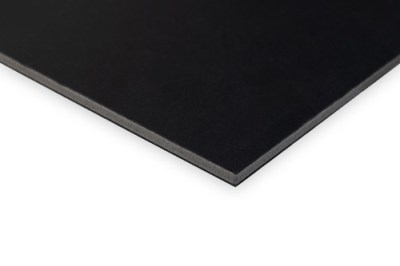
- basic matte paper / cardboard, sturdy paper reminiscent of art classes
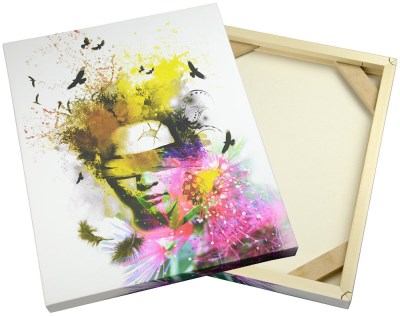
The imitation of the canvas, inkjet canvas based on cotton and polyester, is largely famous since the beginning of the 21st century.
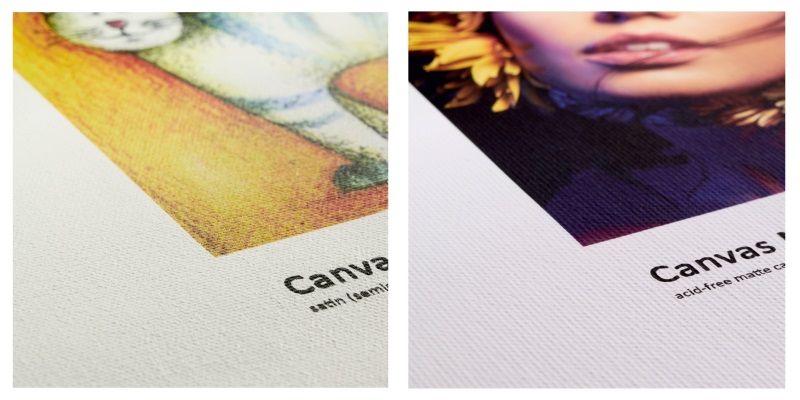
Photo papers for inkjet printers – surface treatment
Let's combine. Three basic surfaces are produced on the above-mentioned pads:- gloss,
- semigloss,
- matt,
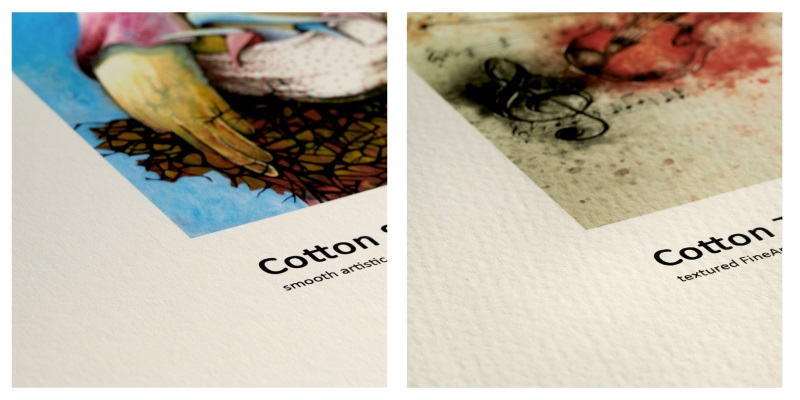
- smooth
- lustre, velvet
- textured
Thanks to these combinations of weight, base, surface type and texture, you can choose from a large number of inkjet media.
Examples of inkjet media (to get to know the terminology):- FOMEI Baryta SILK 310 - semigloss baryta paper with lustre texture and paper weight 310 g/m2.
- FOMEI Cotton Textured 320 - deeply matte textured paper made from cotton, weight 320 g/m2.
- FOMEI PRO Gloss 300 - smooth glossy RC paper weight 300 g/m2.
- FOMEI Chrome Film 215 - smooth glossy polyester film, 215 g/m2.
- FOMEI Photo Matt 230 - deeply matte smooth paper (cardboard) with paper weight 230 g/m2.
- FOMEI Canvas Matt 390 - deeply matte cotton canvas with polyester, weight 390 g/m2.
First choice
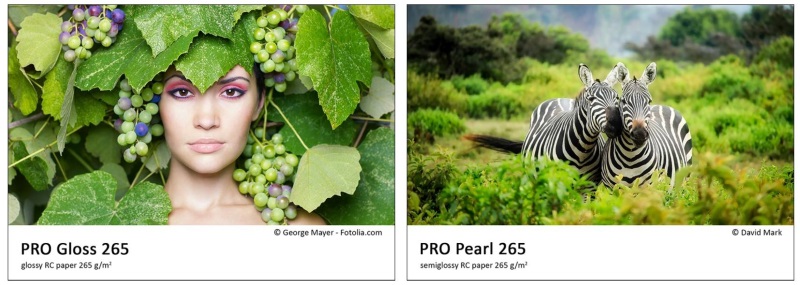
Hobby photographers (and often even professional) are discovering the technique of inkjet printing through RC papers. They are affordable and well known from minilabs and darkrooms.
The most common two variants of RC papers are smooth gloss and finely structured semigloss called lustre, pearl or velvet.
The minilab era distorted the terminology when the semigloss was labelled as matte. To be precise, we say that this is a structured gloss. But let us stay with the compromise terminology RC gloss (gloss, high gloss) and RC semigloss (lustre, pearl, velvet, semigloss).
Deeply matte photo papers are the favorite option for portrait, abstract and FineArt photography, and thanks to the deep blacks are also suitable for black and white reproductions.
In the table of popular hobby printers, models are distinguished by the size of the maximum printable sheet and also by the type of inks the model uses: whether they are dye-based or pigment inks.
The pigment ink set has two basic blacks: photo and matte. Matte black ink (Matte K) is used for printing on deep matte and FineArt papers. Photo black ink (Photo K) is used for printing on glossy and semiglossy papers. The pigment printer chooses the right black ink itself, based od the paper on the paper set in the driver.
Most favorite papers
- glossy RC paper 240–270 g/m2 – most popular in hobby photography.
- pearl RC paper 260–330 g/m2 – most popular in professional photography.
RC papers are mostly used for enlargements of all photo genres. And even after the photographer/printer takes more noble media (baryta, aquarelle) into his portfolio, the RC papers represent a good option for a fashion and landscape photography.
The economical choice for FineArt photography
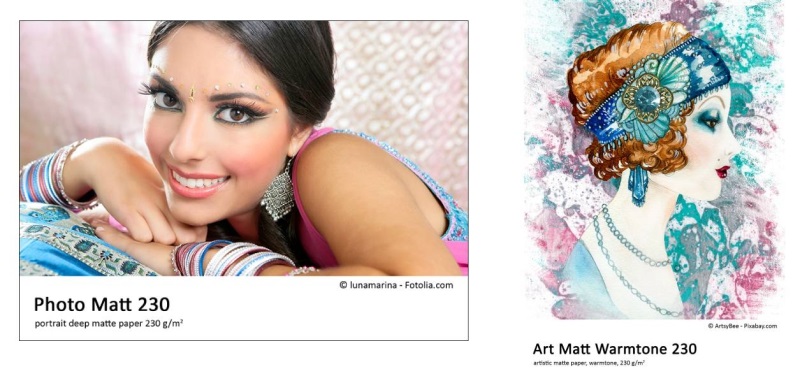
- In the hobby sphere for abstract and FineArt photography FOMEI Photo Matt 230.
- In the professional sphere is the most popular FOMEI Art Matt Warmtone 230.
Deeply matte paper, resembling the sturdy paper from the art classes in elementary school, will surprise with its drawing and expression skills in relation to abstract, FineArt and portrait photography. FOMEI Photo Matt 230 is bright white, whereas the Warmtone version (preferred by starting artists) has a pleasant ivory tone. Moreover: FOMEI Photo Matt DUO 230 is a double-sided printable version of Portrait Matt paper designed for the production of calendars and photo books.
Most popular papers in detail
Glossy photo papers category
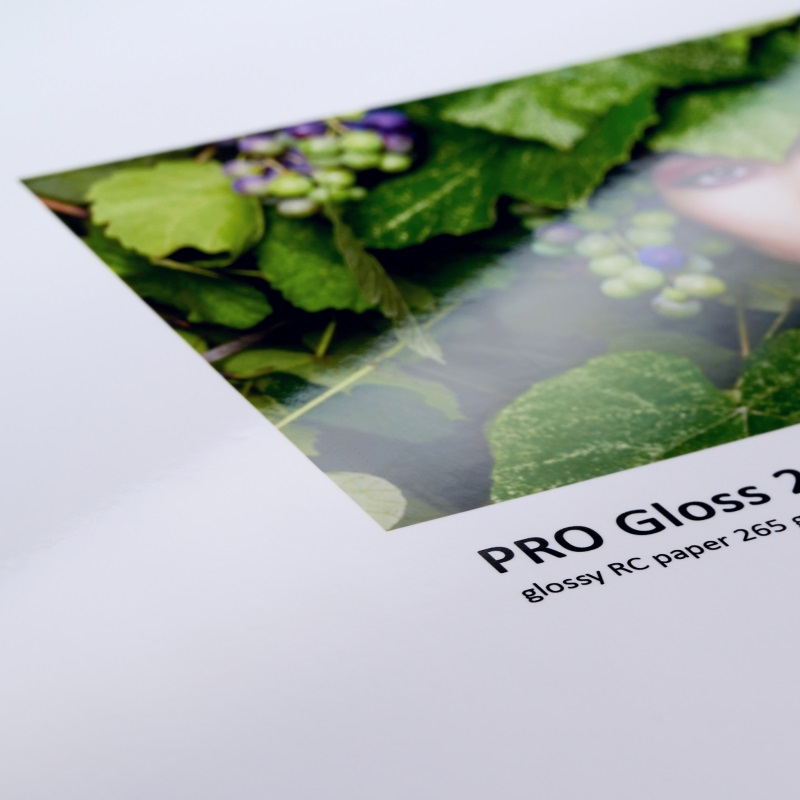
FOMEI PRO Gloss 265- photos from holidays and trips, family and fashion photos
Semiglossy photo papers category
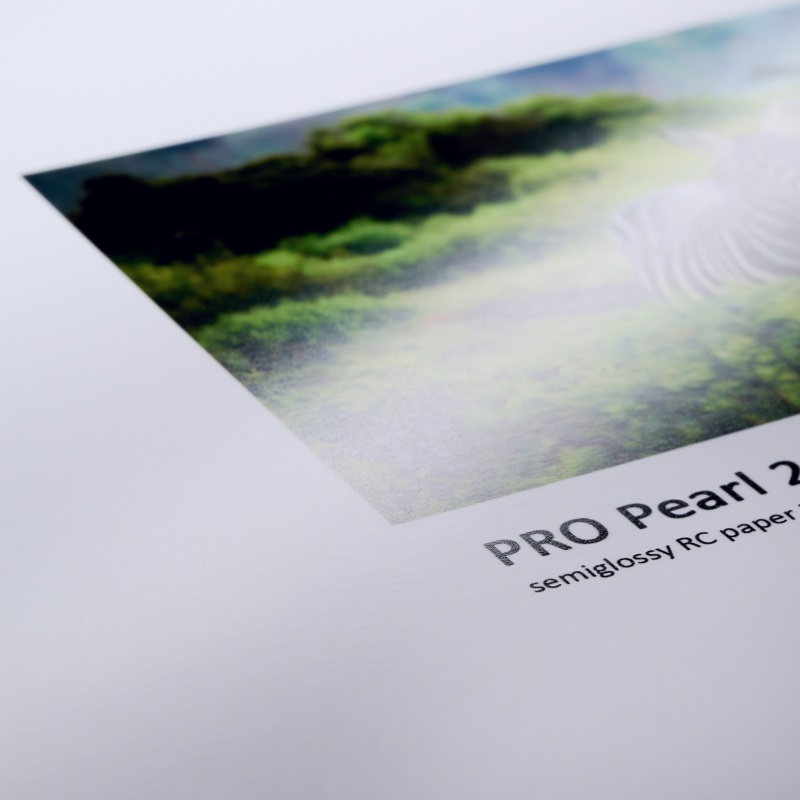
FOMEI PRO Pearl 265- nature and city architecture photography, portrait photography
- best for photos into albums and frames up to size 15 x 20 cm
- all photography genres, studio photography
- photos in frames larger than 15 x 20 cm (does not wave)
Deeply matte photo papers category
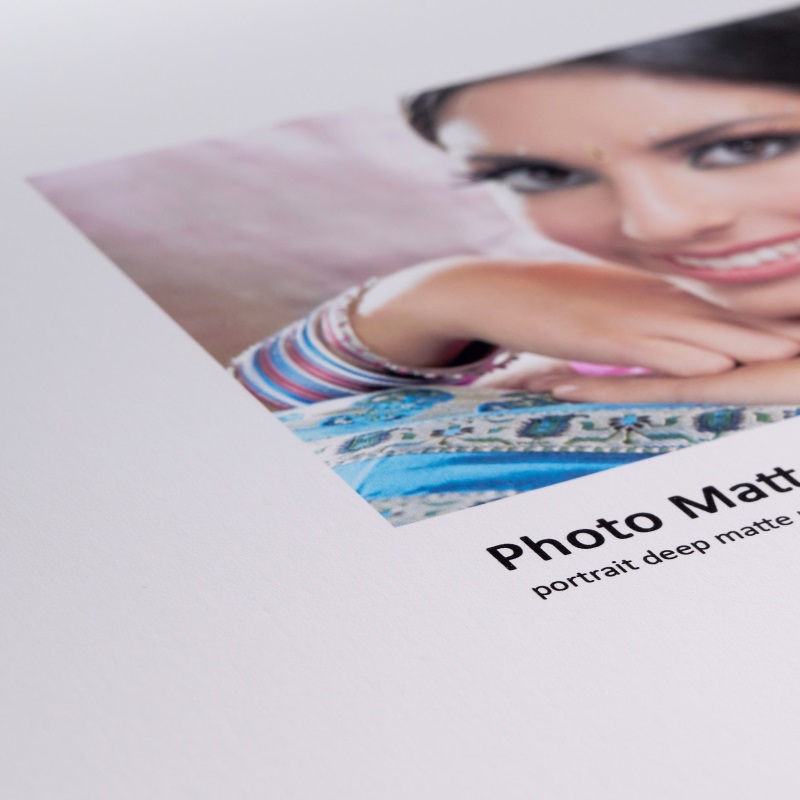
FOMEI Photo Matt 230- portrait photography, reportage, documentary
- portrait, historical and artwork reproductions
Artistic matte paper - watercolor
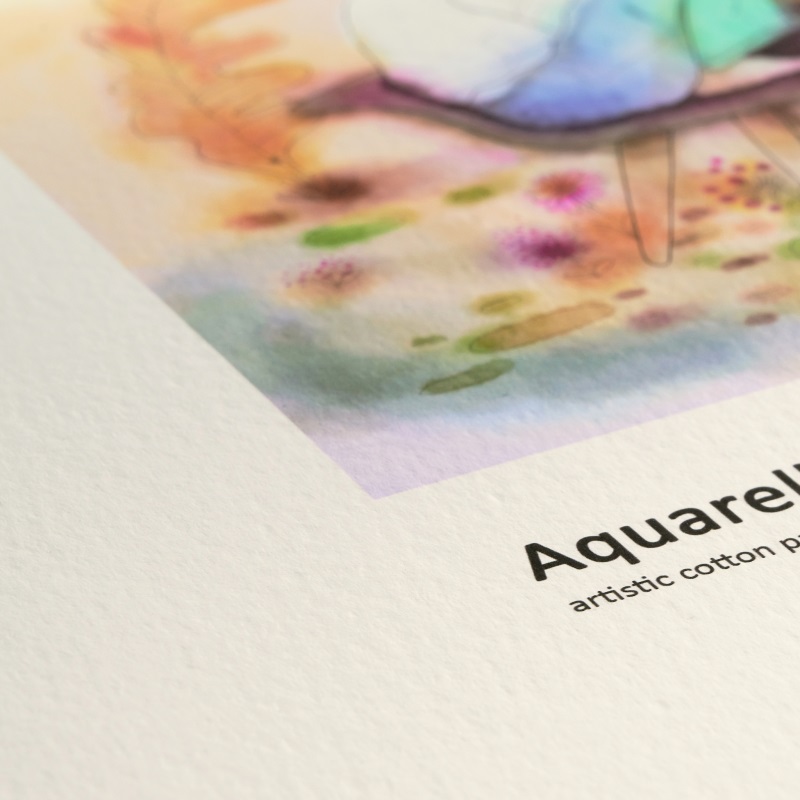
FOMEI Aquarella Art Matt 210- art and abstract photography, artwork reproductions
Satin art paper category
FOMEI Baryta MONO 290- B&W and color photography, photos for long-term archiving
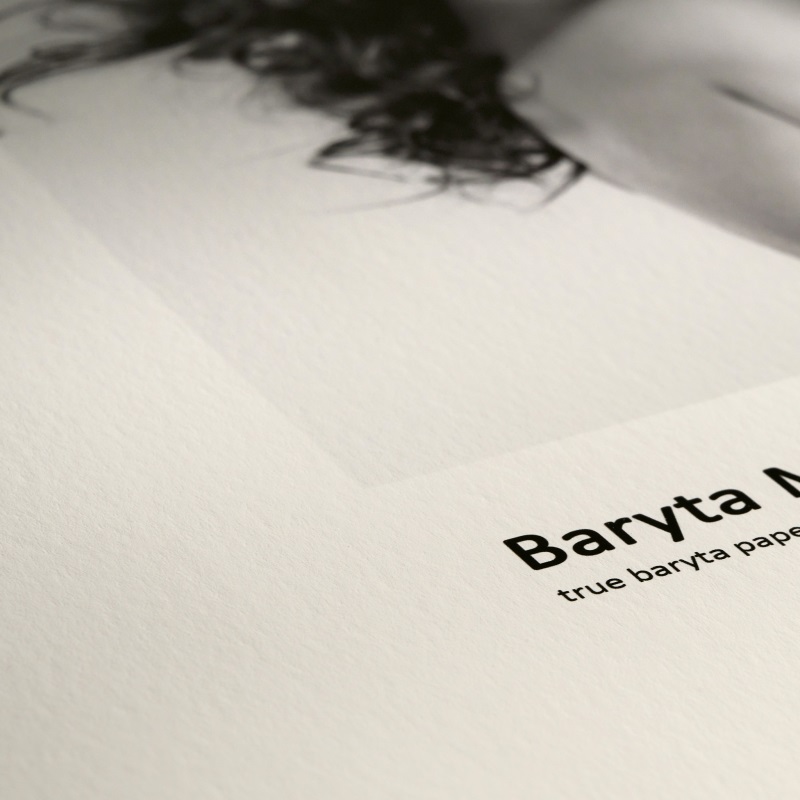
- cotton paper with an exclusive satin finish, photos of luxury products, concert, theater and portrait photography

Benefits of FOMEI photo papers
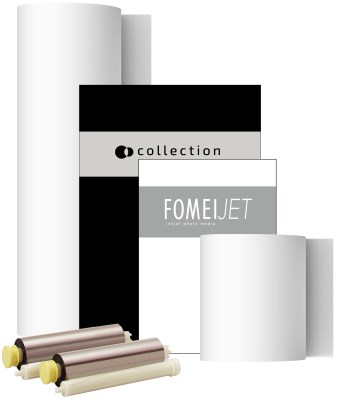
FOMEI brand media for the production of photographs and art graphics on inkjet printers are a proven choice for hobby and professional photographers-printer for the following reasons:
- Printer compatibility with Canon, EPSON, HP printers (dye-based and pigment inks)
- ICC profiles and guides at www.fomei.com/profiles
- The widest range of sheet formats on the market: 9 x 13 to A2+ (for desktop printers)
- Availability in rolls 30.5 to 152.4 cm wide (for large formats printers)
- Availability in rolls 8.9 to 30.5 cm wide (for inkjet minilabs EPSON, Fuji, Noritsu)
- ISO certification for long-term image stability
- Responsible technical support at paper@fomei.com, +420 495 056 140, TeamViewer