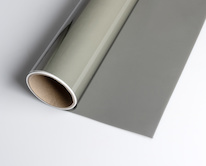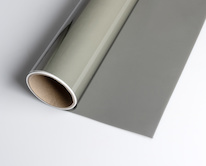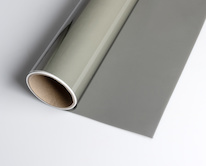
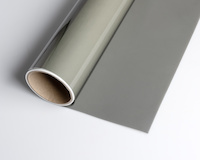




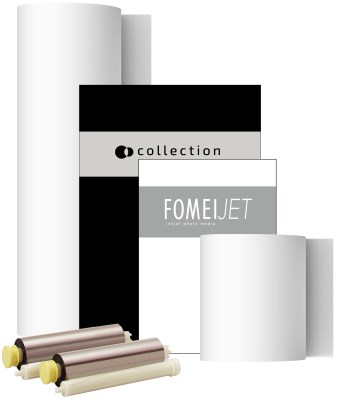












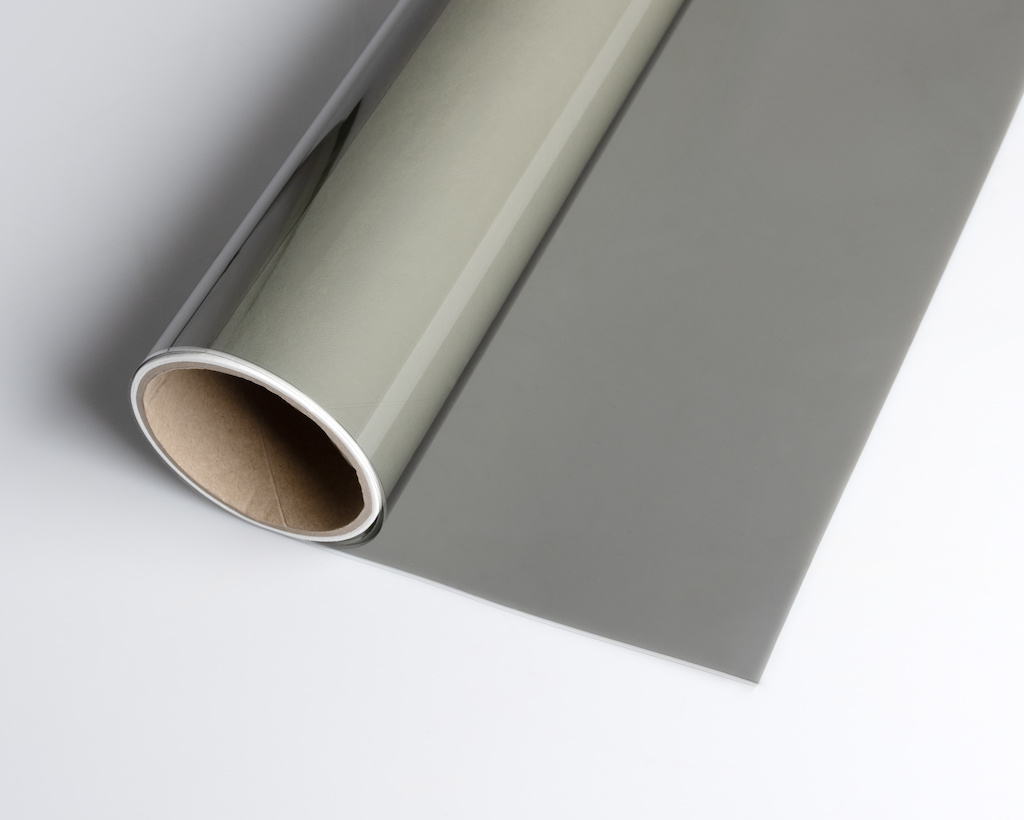
Linear polarizing film 30 × 60 cm/0.18 mm, FOMEI



Call: +420 603 587 462
WHAT IS POLARIZING FILM
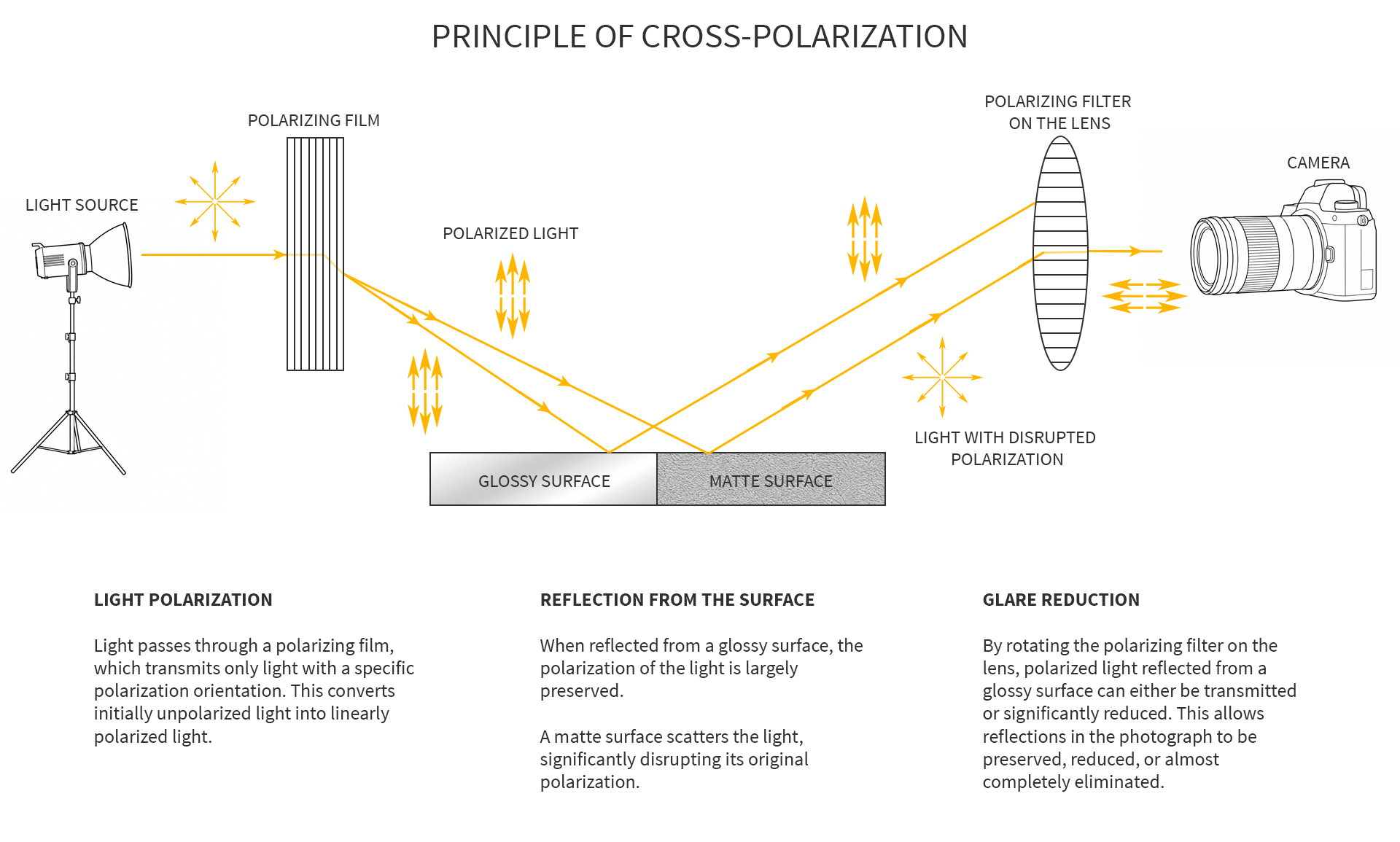
Polarizing film allows you to linearly polarize light before it reaches the photographed object. From ordinary light with no uniform polarization orientation, it transmits only light with a specific polarization orientation. When combined with a polarizing filter on the lens, it creates a cross-polarization system that allows you to control glare and unwanted reflections on the photographed surface.
WHY USE CROSS-POLARIZATION
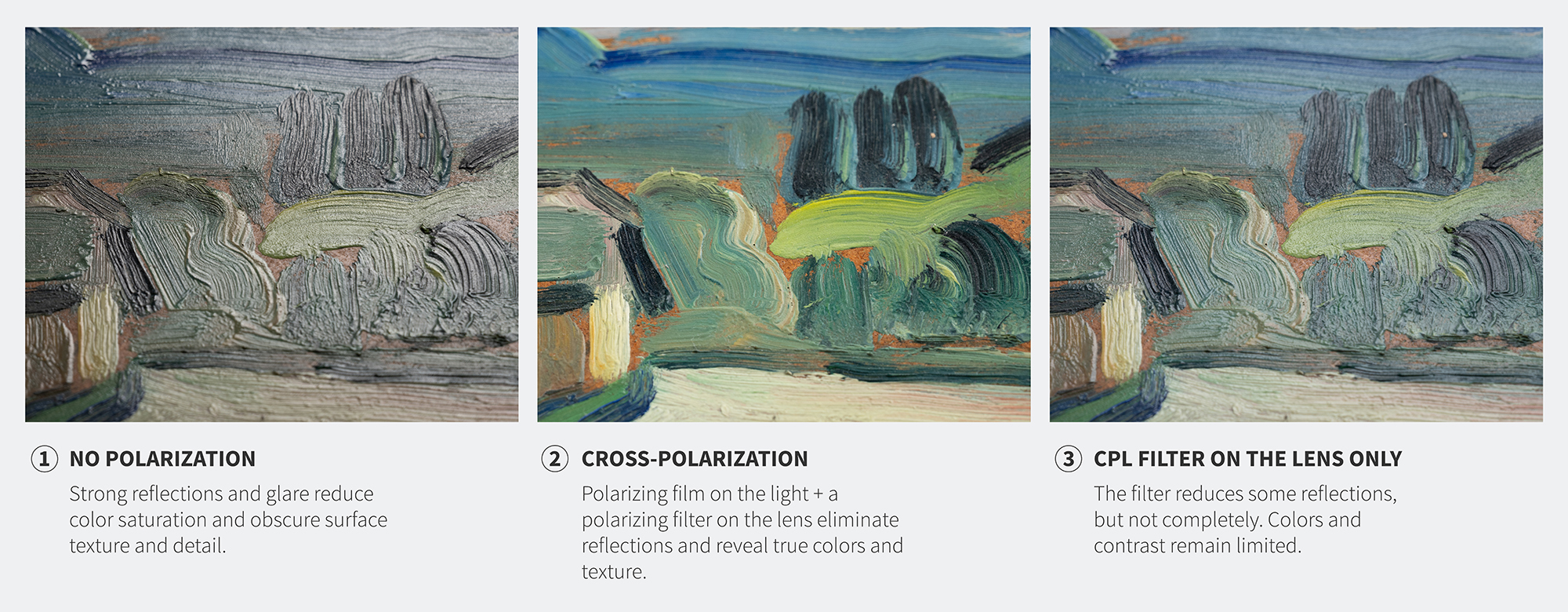
Glare can obscure the true color, texture, or fine details of a surface. This is particularly problematic when photographing glossy, coated, glass, and other reflective materials.
Cross-polarization makes it possible to significantly reduce reflected light without having to substantially change the position of the light source or camera. The result can be clearer surface texture, more accurate color reproduction, and significantly fewer distracting reflections.
The effect does not always have to be maximized. By rotating the polarizing filter on the lens, the amount of reflection reduction can be continuously adjusted, allowing reflections to remain where they help define the shape, material, or character of the photographed object.
HOW CROSS-POLARIZATION WORKS
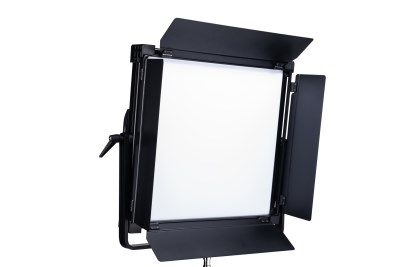
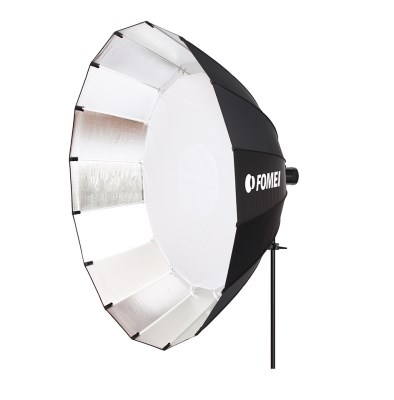
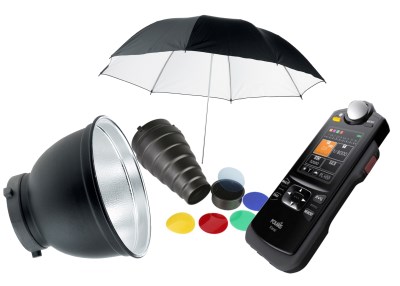
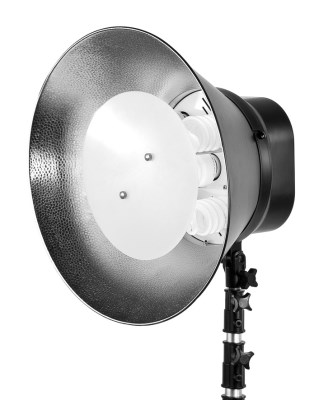
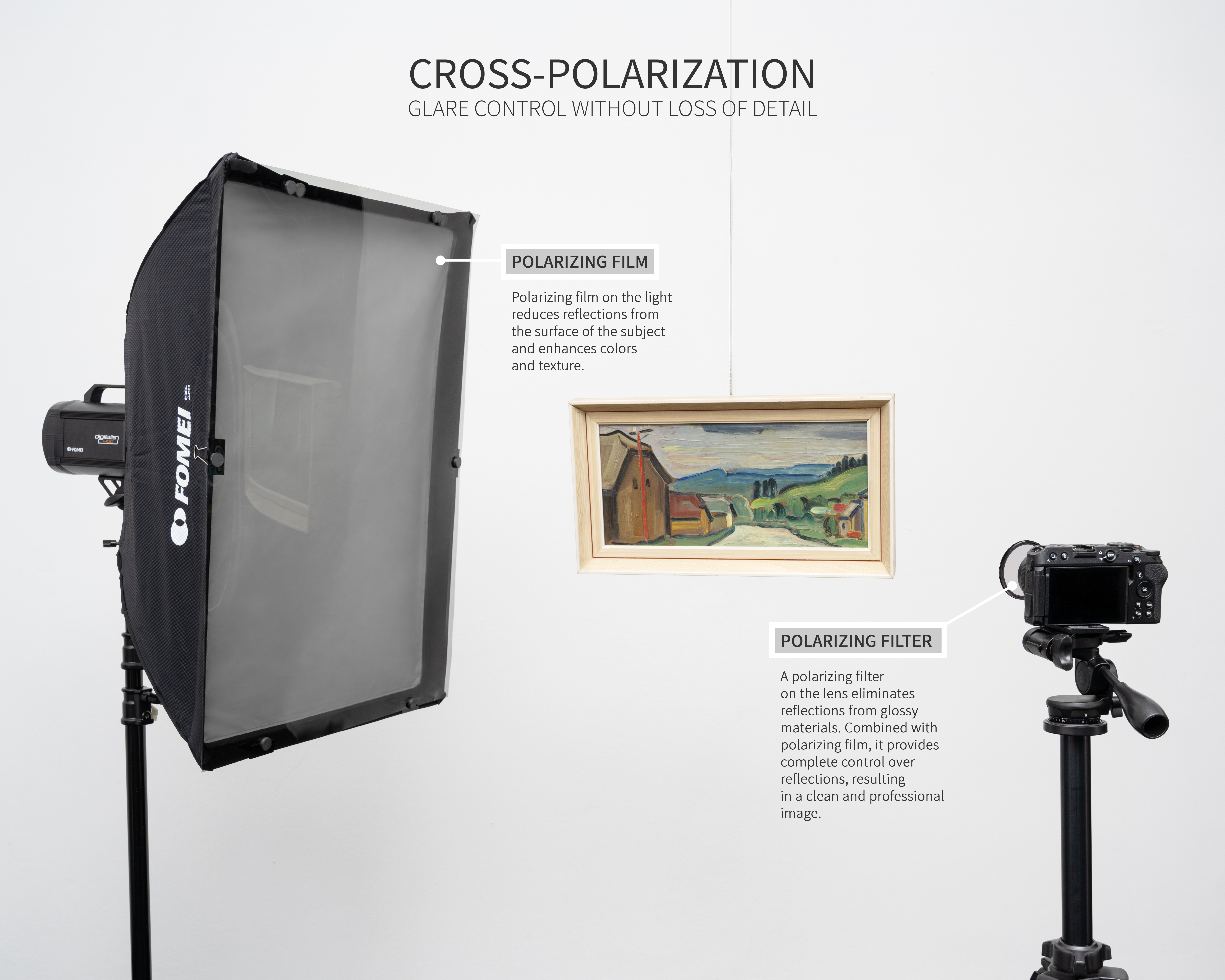
The polarizing film is placed in front of the light source, for example in front of the diffusion surface of a softbox. Light passing through the film becomes linearly polarized before reaching the photographed object.
When reflected from a glossy surface, the polarization of the light is largely preserved. Matte and diffuse surfaces scatter the light, significantly disrupting its original polarization.
A polarizing filter is then attached to the camera lens. By gradually rotating the filter, you can easily find the position in which unwanted reflections are reduced the most. Therefore, there is no need to know the orientation of the film's polarization axis during normal use.
This makes it possible to preserve, reduce, or almost completely eliminate reflections depending on the desired appearance of the photograph.
WHERE TO USE CROSS-POLARIZATION
Cross-polarization is particularly useful when it is important to accurately capture the color, texture, and character of a surface. It is therefore widely used in product, reproduction, technical, and industrial photography, as well as video production.
Typical applications include photographing paintings and works of art, coated products, packaging, plastics, ceramics, glass, and other objects with pronounced reflections.
The technique is useful not only for creating visually clean images, but also for reproduction and documentation, where reflections can obscure information about the true color and surface texture of an object.


TECHNICAL SPECIFICATIONS
FOMEI polarizing film has a thickness of 0.18 mm and a polarization efficiency of 99.99%. The extinction ratio is at least 8000 : 1, while light transmission under crossed polarization is ≤ 0.005%.
The film itself has a light transmission of 42 ± 2%, so some loss of light must be taken into account when using it. It operates within the visible spectrum from 400–700 nm.
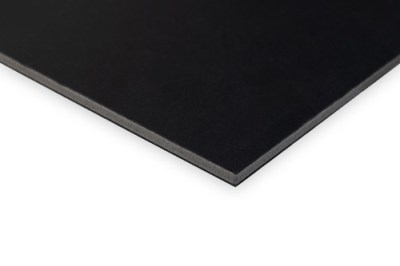
The film is made of PVA and TAC, has a neutral gray appearance, and does not have a self-adhesive layer. It is supplied with a protective film on both sides to protect its surface during transport and handling.
The operating temperature range is −30 to +80 °C. According to the manufacturer's specifications, the film provides humidity resistance of 500 hours at 60 °C / 90% RH and heat resistance of 500 hours at 80 °C in dry conditions.
| Parameter | Value |
| Type | linear polarizing film |
| Thickness | 0.18 mm |
| Material | PVA + TAC |
| Color | neutral gray |
| Light transmission | 42 ± 2% |
| Transmission under crossed polarization | ≤ 0.005% |
| Extinction ratio | ≥ 8000 : 1 |
| Polarization efficiency | 99.99% |
| Spectral range | 400–700 nm |
| Operating temperature range | −30 to +80 °C |
| Self-adhesive layer | no |
| Protective film | on both sides |